In the ever-evolving world of manufacturing, automation plays a pivotal role in enhancing efficiency and precision. The Panasonic Axial Insertion Machine is a testament to this advancement, offering manufacturers a reliable solution for component insertion tasks. With its ability to streamline production processes, this machine is becoming an indispensable asset in various industries. As manufacturers seek to optimize their production lines, the integration of axial insertion machines has become a focal point. This article explores the creative applications of these machines and how they are revolutionizing manufacturing.
Table of content:
How to Integrate Axial Insertion Machines into Your Production Line
Exploring Unique Applications for Panasonic Axial Insertion Machines
Case Studies: Successful Implementations by Axial Insertion Machine Suppliers
Design Inspiration: Customizing Axial Insertion Machines for Specific Needs
Integrating axial insertion machines into a production line requires careful planning and consideration of the specific needs of a manufacturing process. The first step is to assess the compatibility of the machine with existing equipment and workflow. It's crucial to ensure that the machine can seamlessly integrate with other automated systems to maximize efficiency. Collaboration with an experienced Axial Insertion Machine manufacturer can provide valuable insights into optimizing the setup. Training personnel to operate the machine effectively is another essential aspect of integration. By investing time in training, manufacturers can ensure that their staff is skilled in handling the machine, thereby minimizing downtime and maximizing productivity.
The versatility of Panasonic Axial Insertion Machines allows them to be used in a wide range of applications beyond traditional component insertion. These machines are adept at handling complex tasks such as inserting components into delicate or irregularly shaped substrates. Their precision and adaptability make them ideal for industries such as electronics, automotive, and aerospace, where intricate designs are commonplace. Manufacturers are increasingly exploring these unique applications to gain a competitive edge in their respective fields. By leveraging the capabilities of axial insertion machines, businesses can enhance product quality and reduce production time, ultimately leading to increased profitability.
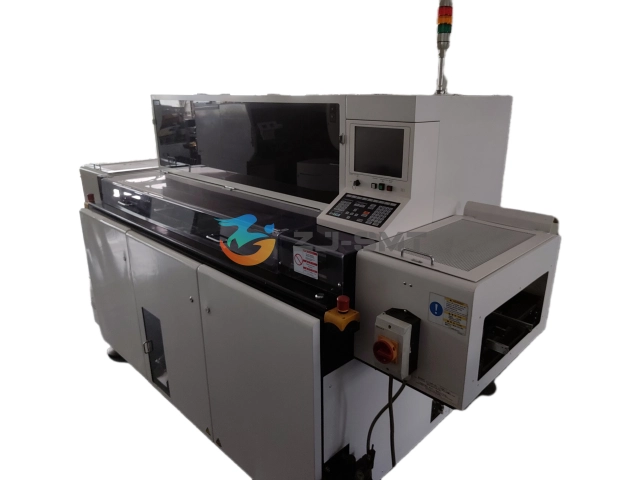
Several case studies highlight the successful implementation of axial insertion machines by various suppliers. One notable example is a leading electronics manufacturer that collaborated with an Axial Insertion Machine supplier to streamline its production process. By integrating the machine into their assembly line, they achieved a significant reduction in production time and improved product consistency. Another case study involves an automotive company that customized the machine to meet its specific needs, resulting in enhanced precision and reduced material waste. These examples underscore the importance of working with experienced suppliers to realize the full potential of axial insertion machines.
Customizing axial insertion machines to meet specific manufacturing needs can unlock new possibilities for innovation. By tailoring the machine's features to suit particular requirements, manufacturers can address unique challenges and optimize their production processes. This customization can involve adjustments in machine settings, tooling modifications, or even software enhancements. Collaboration with an axial insertion machine supplier can facilitate the customization process, ensuring that the machine aligns perfectly with the manufacturer's goals. As manufacturers strive to remain competitive, the ability to adapt and innovate using customized axial insertion machines becomes increasingly valuable.
In conclusion, the Panasonic Axial Insertion Machine is a powerful tool that offers numerous benefits to manufacturers across various industries. By integrating these machines into production lines, exploring unique applications, and customizing them to meet specific needs, businesses can achieve greater efficiency and precision. The collaboration with experienced axial insertion machine manufacturers and suppliers is crucial to unlocking the full potential of these machines. As the manufacturing landscape continues to evolve, the role of axial insertion machines in driving innovation and productivity will undoubtedly grow.


