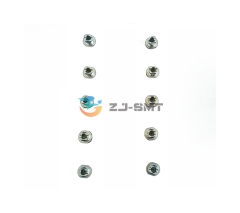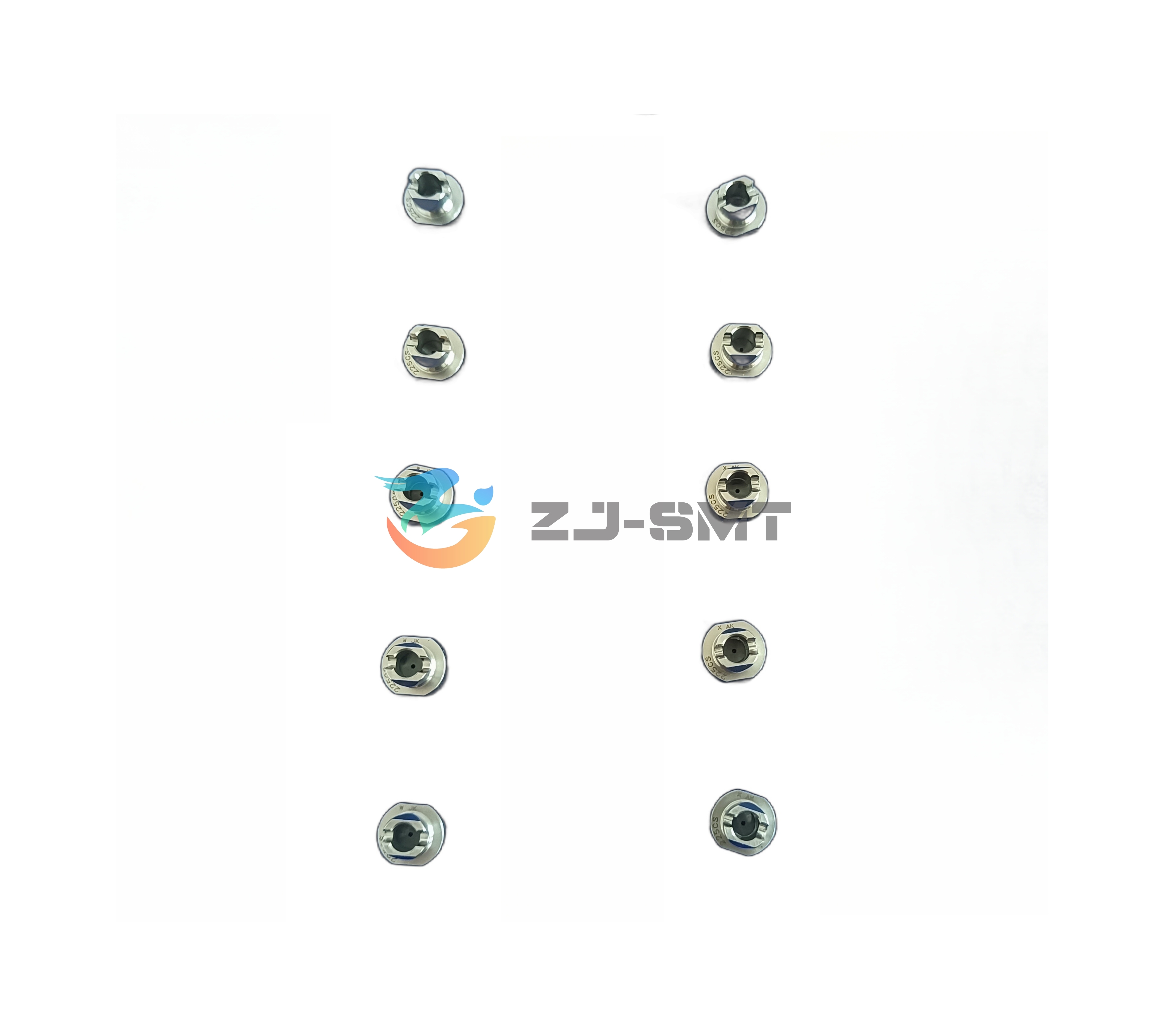
The Panasonic 225CS Nozzle for CM/DT/NPM is designed for precision and efficiency in high-speed pick-and-place operations within the surface mount technology (SMT) process. As a reliable SMT nozzles supplier, we provide this high-quality nozzle for CM/DT/NPM machines, ensuring accurate component handling and minimizing operational errors during PCB assembly.
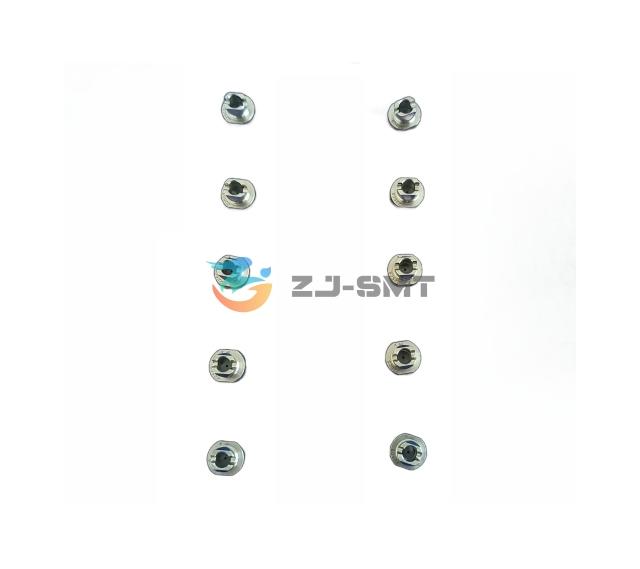
This nozzle is a vacuum pickup nozzle for Panasonic CM, DT and NPM placement heads. It takes a surface-mount component from the feeder, holds it on vacuum while the head travels to the board, and releases it on the pad — so the tip decides whether a component lands squarely or slightly off target.
It is supplied as a direct replacement for the nozzle already in the head rather than a conversion part, which means the holder and the head setup stay exactly as they are. Most of these nozzles go to PCB assembly plants, contract manufacturers and pick and place machine manufacturers who need a worn nozzle out of the head before it starts costing them placement quality.
| Part number | N610040786AB |
| Product name | Panasonic 225CS nozzle |
| Nozzle series | 225CS |
| Machine compatibility | Panasonic CM, DT and NPM placement heads |
| Nozzle type | Vacuum pickup nozzle |
| Component coverage | Small chip parts through larger surface-mount devices |
| Construction | Wear-resistant materials |
| Tip | Precision-machined for repeatable pickup |
| Fitting | Direct replacement for the nozzle already in the head |
| Spare-part category | SMT nozzles |
| Application | High-speed automated component placement |
| Packing | Protective packing; customer-specified methods can be arranged |
Spare-nozzle planning is simpler than it looks. A nozzle is a wear part, so most maintenance teams keep one spare for each head family they run and replace on condition rather than on a fixed calendar. Because one part number covers CM, DT and NPM heads, that usually means a single spare line in the cabinet instead of three.
Two habits keep a line protected: fit a new nozzle at a planned service rather than in the middle of a rush job, and keep the head type and part number recorded against each machine so the right spare comes off the shelf first time. Assembly plants and pick and place machine manufacturers who run several machines often stagger replacements so no two heads come due at once.
Not sure how many to hold? Start from how often you change a nozzle now. A line that rarely needs one needs a very different shelf from a plant running three shifts.
ZJ-SMT supplies Panasonic SMT and PCB assembly equipment and spare parts to manufacturers worldwide. Our range covers pick-and-place machines, axial and radial insertion equipment, solder paste inspection systems, and feeder spare parts, with both new and used options available. We support bulk orders, and machine condition and availability are confirmed with you before ordering. Whether you are expanding a line, replacing a worn feeder part, or sourcing equipment for a new project, send us your model numbers and our team will come back with a suitable solution and quotation.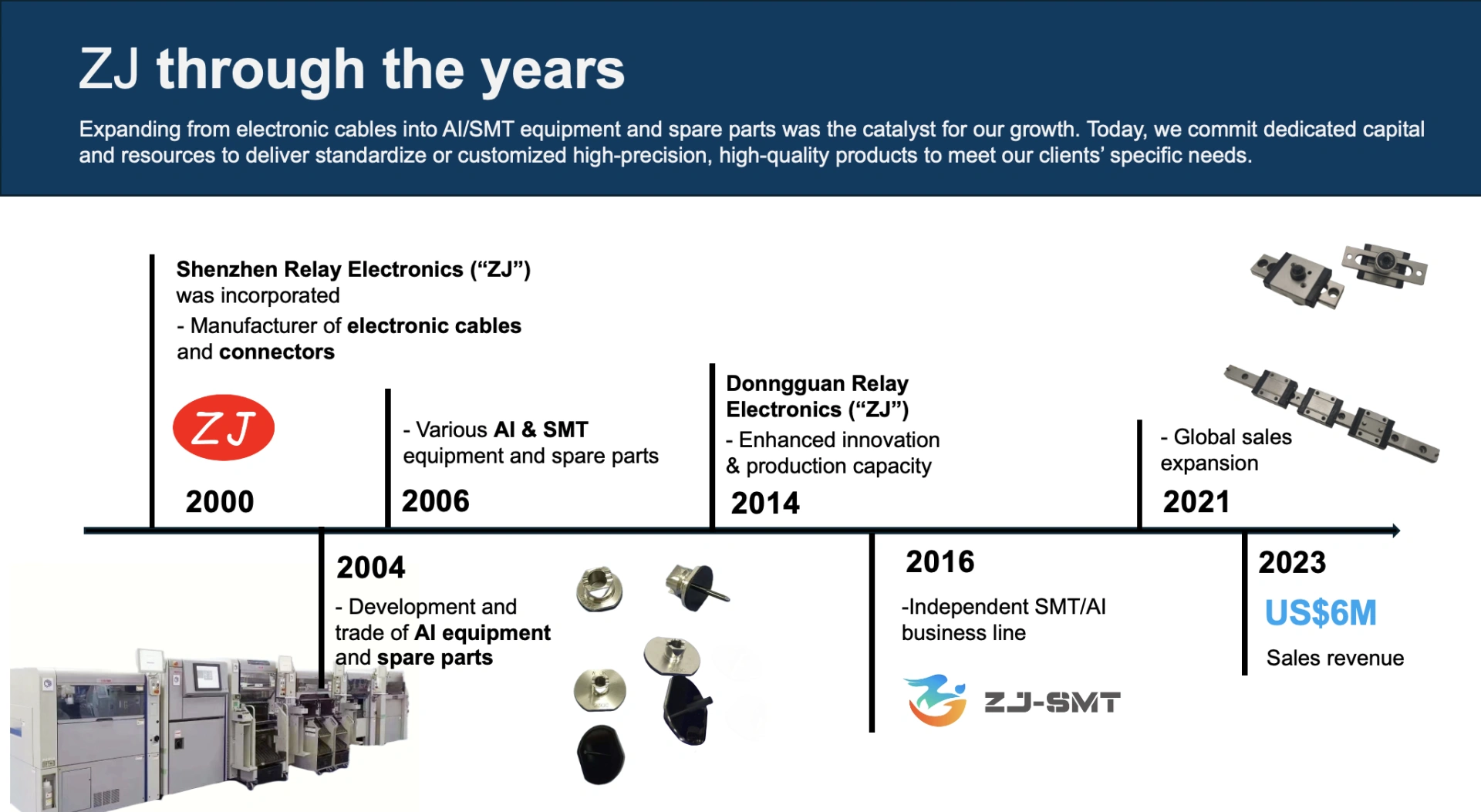
Watch the placement itself. A worn tip usually shows up as failed pickups, components sitting slightly off or standing on edge, more vision correction than the line used to need, and a higher rework rate on small parts. A visible nick or a flattened tip after a board strike is a clear sign to replace it rather than run it to the next service.
It is the nozzle for CM, DT and NPM heads. Other Panasonic placement platforms use different nozzles, so a part that looks similar on the shelf can quietly cost you placement quality. Check the number marked on the nozzle you are removing against the machine's parts list, and ask our team if anything does not match.
Yes. Wear follows contact cycles, so a head on continuous high-volume production uses up a tip faster than one on short, occasional runs. Small components and hard, densely populated boards are harder on the tip than simple assemblies, and a nozzle that has taken a knock wears faster from that point on.
Keep it in its packaging or in a small parts tray so the tip is not resting on anything, and handle it by the body rather than the tip. Store spares somewhere dry and away from heavy tooling, and check the tip for damage before fitting it.
Cleaning the outside of the nozzle is a normal part of maintenance and will keep it working while the tip is sound. Once the tip is worn, nicked or flattened, cleaning will not bring placement quality back and the nozzle should be replaced — the tip geometry is the part that does the work.
If the faults trace back to the tip — failed pickups, small offsets, more vision correction — then yes, a fresh nozzle restores the pickup the head was designed for. If the cause sits elsewhere, in the feeder pick position or on the vacuum side of the head, a new nozzle will not change it. Replace the nozzle first, then look further if the faults continue.